
Light at the end of M-code’s tunnel? Receivers for ships, planes to finish tests by 2027
An Air Force office recently took over the sprawling M-code project, meant to give jam- and spoof-proof GPS receivers to potentially a million pieces of tech.
An Air Force office recently took over the sprawling M-code project, meant to give jam- and spoof-proof GPS receivers to potentially a million pieces of tech.


BAE Systems’ M-Code GPS receiver solutions are reliable and ready.


As threats continue to evolve, speed will increasingly depend on what is already available when the need emerges.
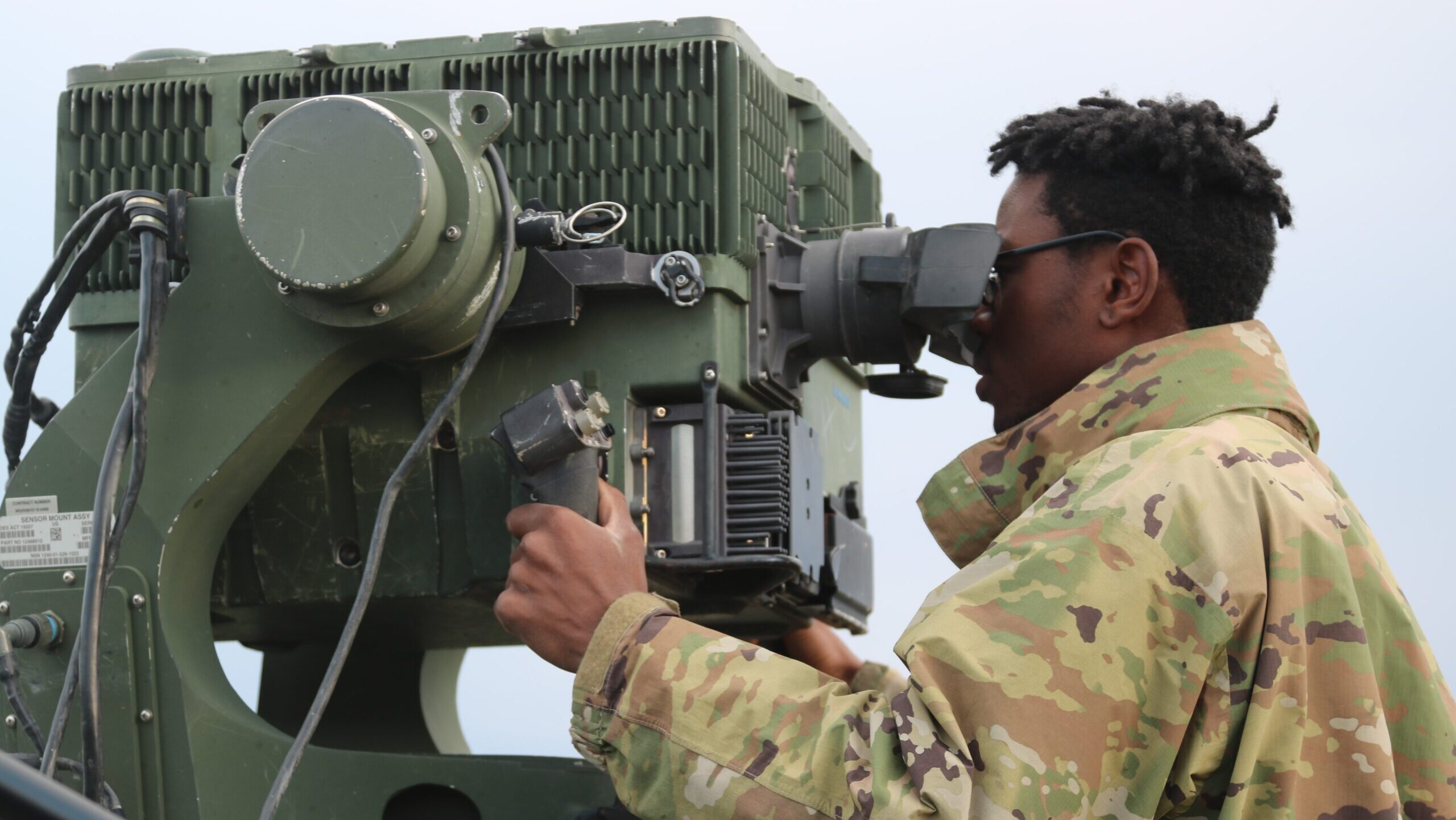
The troubled OCX ground system to allow users access to the jam-resistant M-Code GPS signal will go into operational tests by the end of the year, and the Space Force also has shaken up its effort to field M-Code radios and receivers, said Cordell DeLaPena, who heads those programs for Space Systems Command.

The continuing delays in making the GPS jam-resistant M-Code signal available to military users "increase risk that U.S. and allied warfighters will be unable to conduct successful operations in future contested environments due to the lack of access to modernized GPS position, navigation, and timing (PNT) information," the 2023 Annual Report of the Director of Operational Test & Evaluation finds.
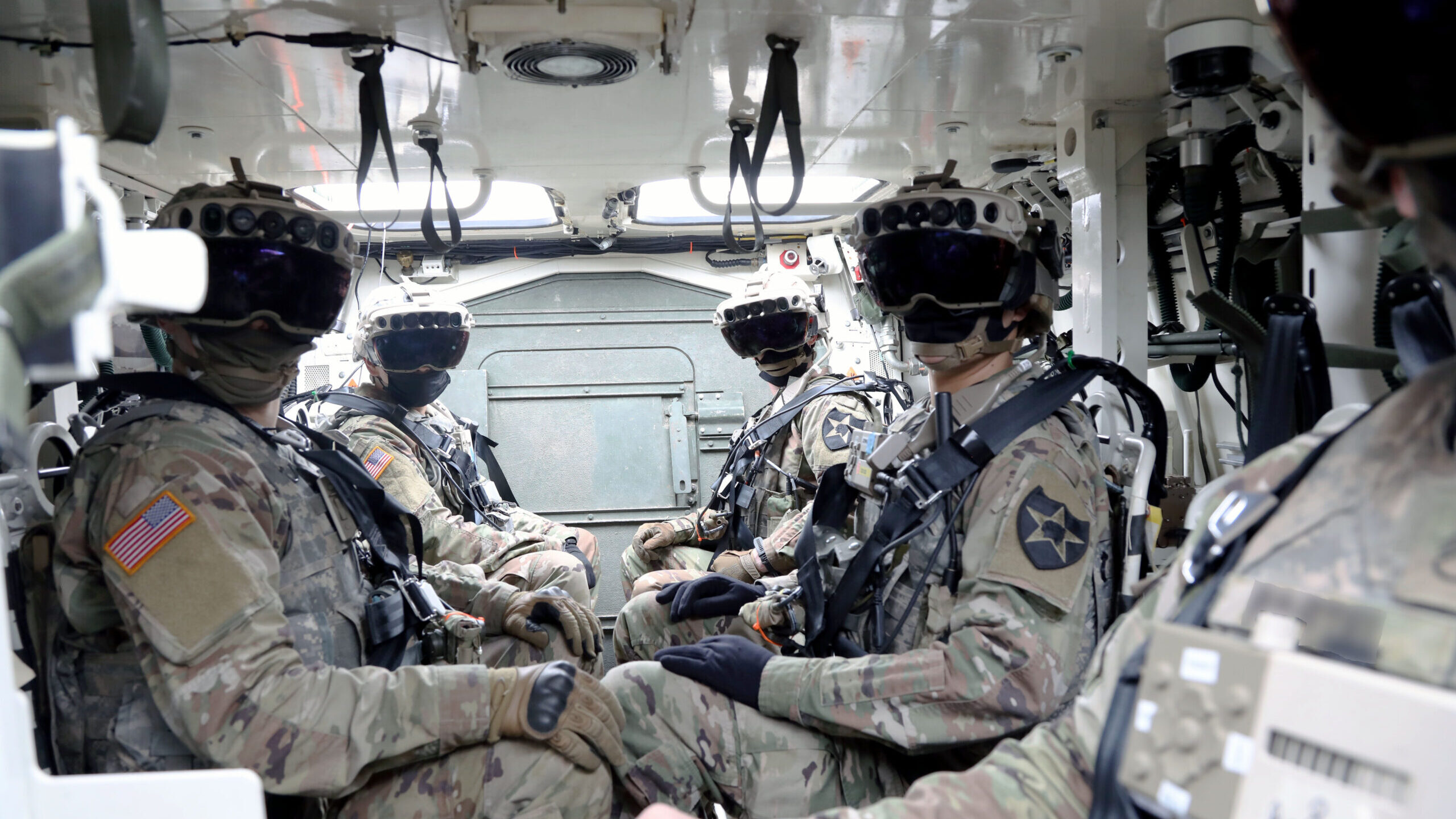
The watchdog's report is unsparing in outlining the cost increases and schedule delays for a majority of Defense Department programs.

If contractors are put on the Contractor Responsibility Watch List for failure to meet cost and schedule performance goals, the Space Force has "the ability at that point not to award them any new contracts."

One commander, many robots: Fully autonomous ground vehicles are reshaping the battlefield.
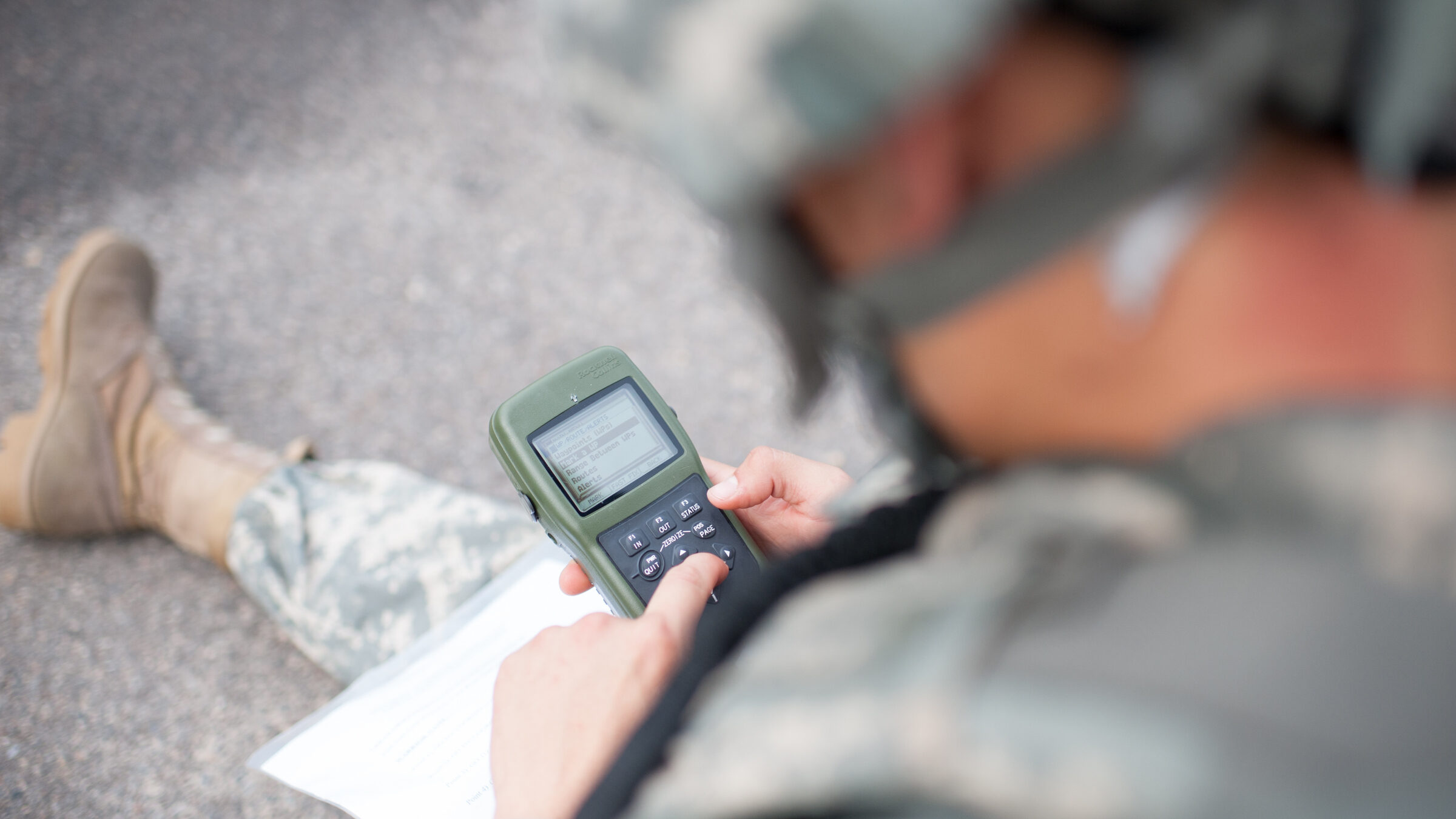
“These albatrosses [have been] dragging the department down for decades. This is the year we are going to get these programs delivered," said Frank Calvelli, space acquisition head.

Some services have turned to commercial solutions for receivers as delays mount, report says.

Rather than wait for a much-delayed Air Force system, the Army's plan is to deploy Generation 1 of its new receiver this year, starting with the 2nd Calvary Regiment, the 1st Armored Division, and the 1st Infantry Division.